

It's easy to get carried away kitting out a 4WD. Every accessory looks great on the showroom floor. The trick is to build the vehicle around how you really use it, and to keep an eye on the weight as you go.
Start with the use, not the catalogue
Are you a weekend beach and bush tracks driver, a tradie carrying tools all week, or planning a big lap with a camper on the back? Write down your top two or three uses. That list will tell you what's worth spending on first, and what can wait.
Suspension: the foundation
If you're adding weight (bar, drawers, water, a camper on the tow ball), stock suspension often sags and handles poorly. A quality kit, like those from Dobinsons, matched to your real load and driving style, improves ride, handling and control. Bigger lift isn't always better. A modest lift with the right spring rates usually drives better on the road, and bigger lifts can bring extra steering, castor and compliance work.
Watch your payload
Every accessory adds weight, and it all counts towards your GVM. A steel bar, winch, roof rack, drawers, dual battery, long-range tank and a fridge add up quickly, then you add passengers, fuel, gear and towball download. Check your payload before you buy. If you're getting close, lighter options or a GVM upgrade may be worth looking into. GVM upgrades have their own rules and paperwork, so ask before you assume.
Roof racks and storage
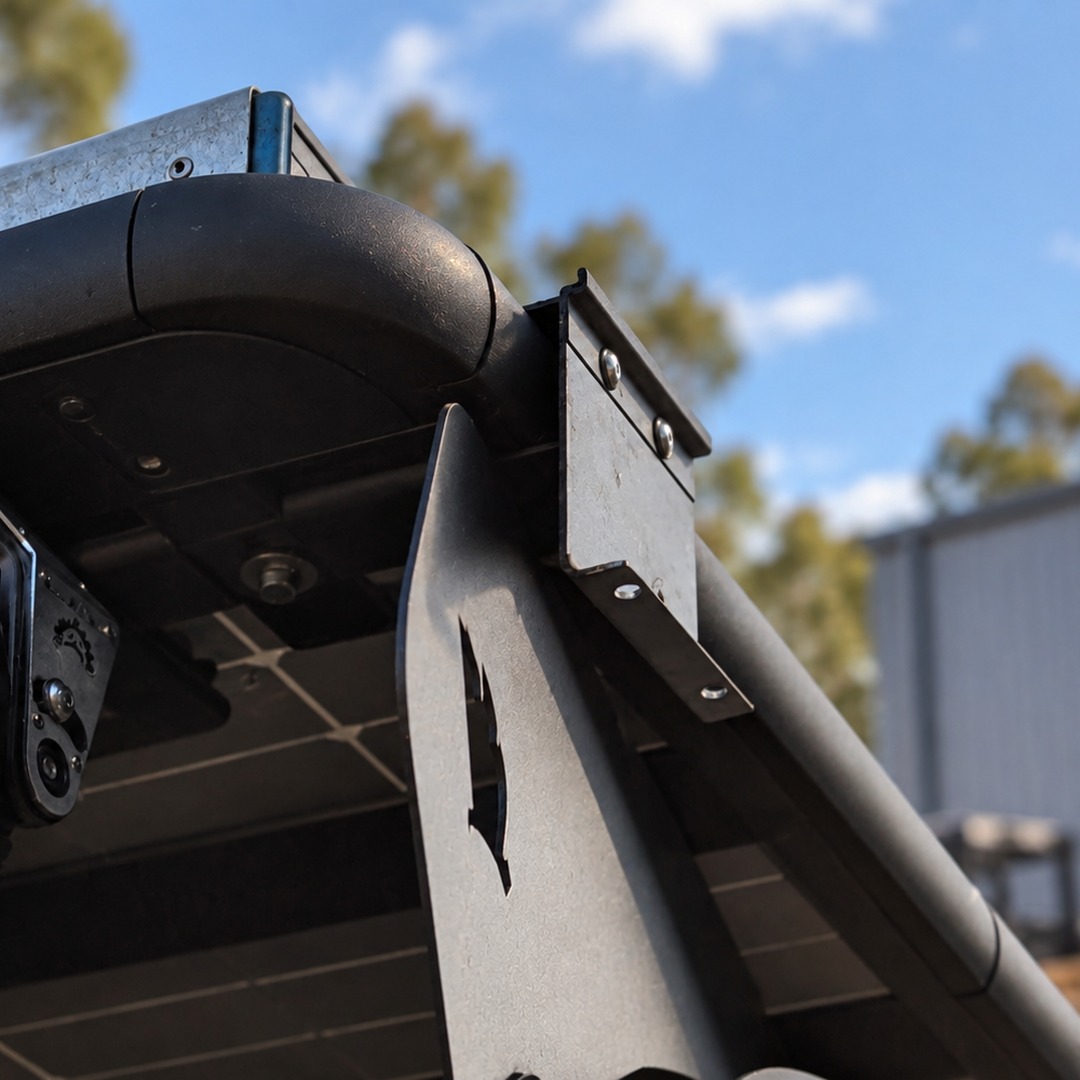
A good roof rack, like the ranges from Wedgetail, opens up space for awnings, recovery boards and light gear. Your roof has a load rating, often lower when driving than when parked, so check it in the manual and keep heavy gear down low inside the vehicle. Drawers, cargo barriers and tie-down points keep the load secure and stop things becoming projectiles.

Recovery and protection
Basic recovery gear (rated recovery points, a snatch strap, shackles, a tyre deflator and compressor, and recovery boards) is worth more than most bling. A bullbar, side steps or rock sliders, and underbody protection make sense if you're heading off the beaten track, but they add weight, so choose to suit.
Lighting and electrics
Driving lights help on country roads at night. A dual battery setup or power system keeps the fridge cold without flattening your starting battery. Have electrical work done properly with the right cabling and fusing. It's the bit you don't see that keeps you out of trouble.
Towing gear
If you tow, the towbar, wiring, brake controller and tow ball all need to suit the vehicle and what you're towing. Accessories at the back, like spare wheel carriers or steps, can affect towball download and clearance, so plan them together.
Build in stages
You don't need everything on day one. Suspension and recovery gear first, then storage and comfort as you work out what you really use. Talk to us about your plans and we'll help you prioritise and put together an estimate for each stage.
Planning a 4WD build? Come and chat to the team at Ballarat Trailers & Towbars, 4 Ballarat-Carngham Rd, Alfredton, Monday to Saturday, or give us a call.
We’re Right Behind You!